
Engorgement treatment;
What is engorgement?
On day 3/4/5 after birth your milk will transition from colostrum to more plentiful, whiter & drippier milk. For some people this transition happens quite gently, others describe waking up looking “Like a cartoon” or “Like a TV show about botched plastic surgery”.
While it’s reassuring to hear your baby gulp and to see drips, this change can bring it’s own problems.
The feeling of hard/hot/heavy breasts is caused not just by the volume of milk, but by extra fluids between your milk ducts. This needs to be treated as inflammation, so that the milk can flow.
How to treat engorgement:
Ice - literally lie on your back with 2 bags of frozen veg (wrapped in a clean cloth) for 20 mins if you can, after feeds
Ibuprofen helps reduce inflammation
Feed frequently (Don’t try to pump, don’t feel you need to “empty” the breast)
Try to avoid an electric pump, if you really need to pump then a manual pump or suction-bulb is most appropriate.
Gentle massage & stretches soften the breast, releasing congestion, to get the milk flowing (films below).
Drink plenty of water (especially if you feel you may have oedema after birth - do you have swollen ankles?)
Sprinkling a shower across your chest can trigger a let-down if milk & relieve some pressure
Gentle exercises which are very effective for releasing the congestion:
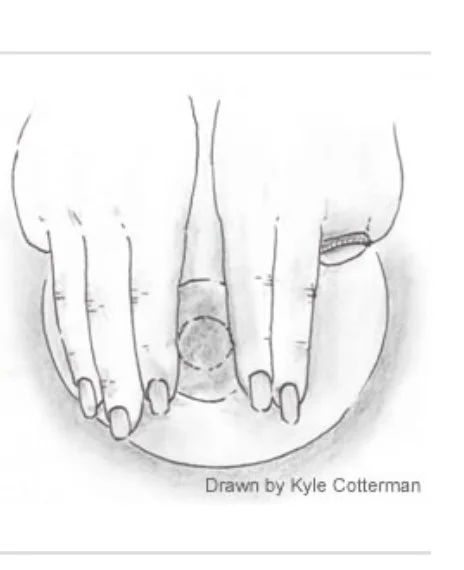
Reverse Pressure Softening:
If your breast becomes taught & full , the nipple can become flattened, and you may find your baby struggles to latch.
Tip:Use your fingers for 30 seconds to gently push back either side of the nipple, hoping to make a more pliable place at the front of the breast. You might then find you can shape your breast a little to help your baby latch.
If you are feeling engorged, it’s important to monitor for signs of mastitis-
Feel a hard sore lump in your breast.
Feel that the skin on your breast is warmer to the touch.
Feel achy and run down.
Feel feverish with a temperature.
Notice areas that have changed in appearance, which might show as redness or darkening on your skin tone. Colour changes in your breast may be harder to notice in darker skin tones.
If you are concerned you have mastitis, a (very similar) blog here outlines what to do. Much of the information is the same
And remember that most cases of mastitis can be treated at home and DO NOT require antibiotics.
